
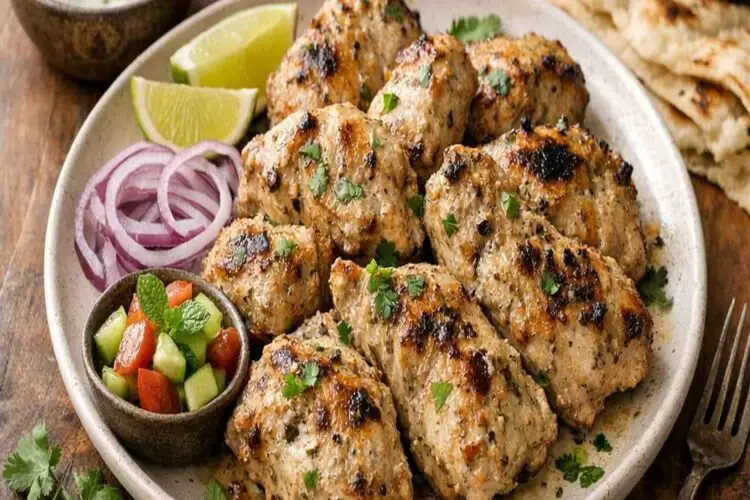
There’s something deeply comforting about creamy, aromatic chicken dishes that taste like they took hours but come together with grace. This Afghani chicken recipe is the kind of meal that pairs beautifully with warm, fluffy bread and perhaps a crisp salad on the side. If you love bold spices and tender protein, you’ll also appreciate my Ambur Biryani Recipe, which celebrates similar warming spices in a different form.
A Whisper of Nostalgia: How This Dish Found Me
I still remember watching my abuela work her magic with cashews and yogurt, blending them into silky paste while the aroma of warming ghee filled her small kitchen. She never used exact measurements—just her hands, her intuition, and that knowing smile that said, “This is going to be good, mija.” That kitchen was where I first understood that food isn’t just about nutrition or technique; it’s about the way it makes you feel.
Years later, as a registered dietitian, I’ve learned the science behind why those simple ingredients work so beautifully together. The yogurt provides probiotics and protein, the cashews add heart-healthy fats and minerals, and the warm spices support metabolic balance. But the magic? That’s still Abuela’s.
What Is Afghani Chicken?
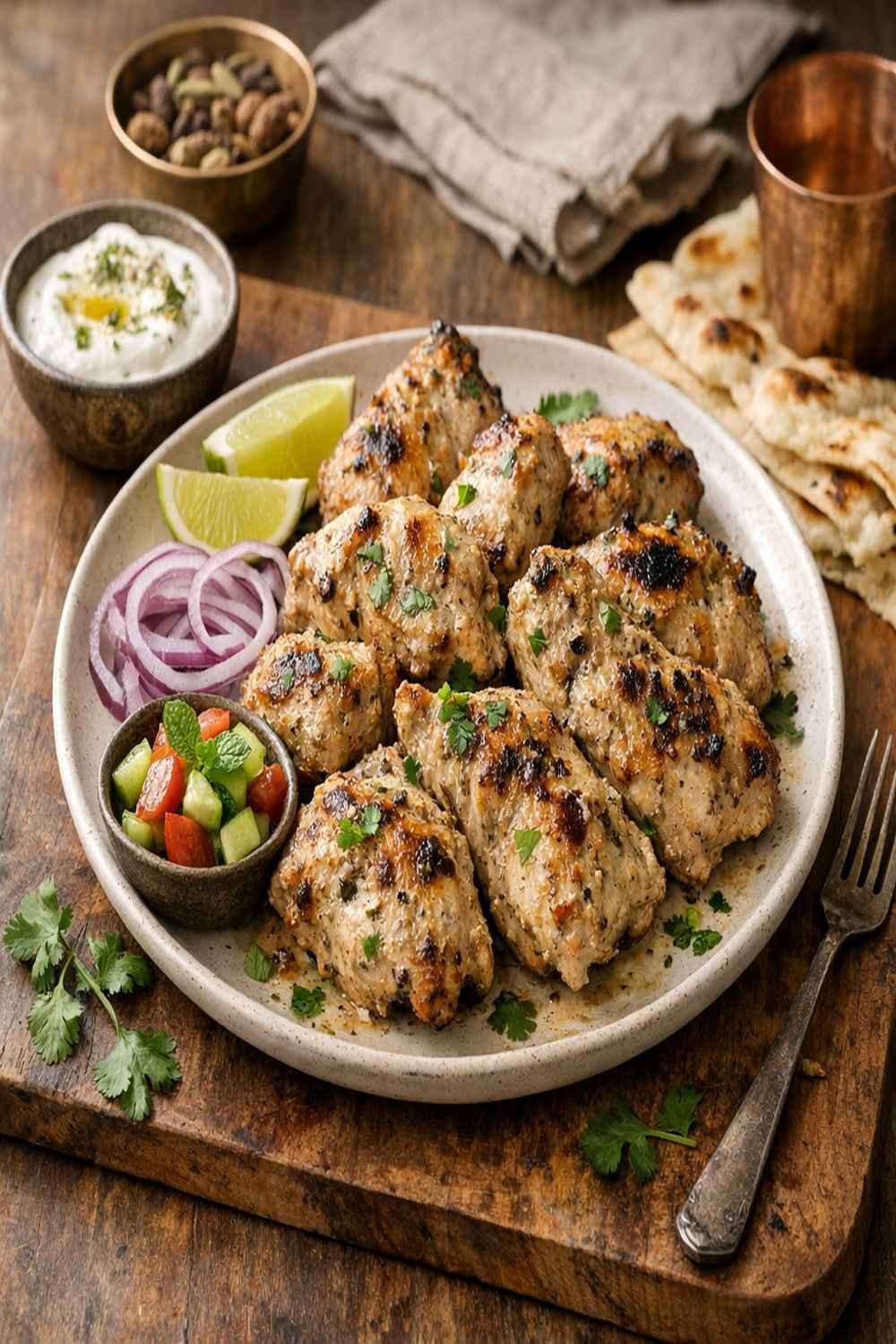
Afghani chicken is a showstopping Indian restaurant-style dish that carries influences from Central Asian cuisine. It’s characterized by a luscious, creamy sauce made from cashew paste and yogurt, infused with aromatic spices like garam masala, fenugreek, and fresh herbs. The chicken itself becomes impossibly tender through marinating and gentle cooking, absorbing all those beautiful flavors.
What makes this dish special isn’t just the taste—it’s the technique. The two-hour marinade allows the yogurt’s lactic acid to gently break down the chicken’s muscle fibers, while the spice blend penetrates deeply. When you cook it, you’re not just heating; you’re coaxing out complexity. This is the kind of dish that feels fancy but works perfectly for busy weeknights once you’ve done the prep work.
Why You’ll Love This Afghani Chicken Recipe
- Packed with protein and healthy fats – One serving delivers approximately 28 grams of protein and heart-supporting monounsaturated fats from cashews, making it ideal for blood sugar management and sustained energy.
- Restaurant-quality flavor at home – The cashew-yogurt base creates that creamy texture you’d pay premium prices for, but it’s surprisingly simple to make yourself.
- Make-ahead friendly – You can marinate the chicken up to 24 hours ahead, and the finished dish actually tastes better the next day as flavors meld.
- Flexible for various eating approaches – This recipe works beautifully for Paleo (serve over cauliflower rice), Whole30 (use ghee and skip any added sugars), or simply as part of a balanced Mediterranean-style meal.
- Aromatic and crave-worthy – The combination of garam masala, dried fenugreek, fresh mint, and cilantro creates a sophisticated flavor profile that feels indulgent without being heavy.
The Ingredients
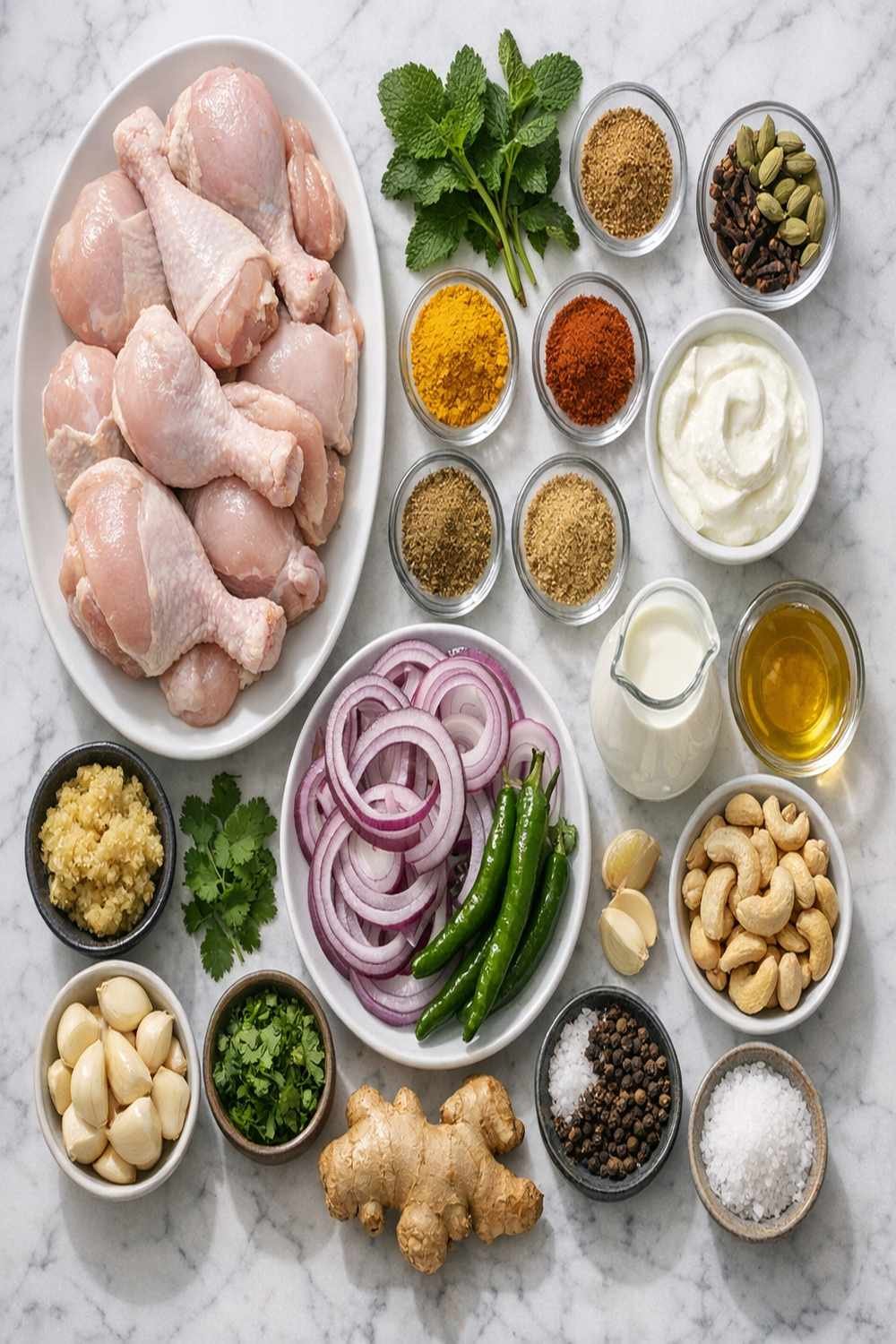
One of my favorite things about this recipe is how accessible every ingredient is. Even if you don’t have a specialty spice shop nearby, most of these items live in regular grocery stores these days. I’ve organized them below by function so you understand why each one matters.
For the Marinade and Base
- 1 tablespoon fresh lemon juice (brightens all the flavors)
- 1 teaspoon black pepper powder (freshly ground is superior)
- 1 tablespoon fresh ginger-garlic paste (or 1½ teaspoons minced fresh ginger plus 1 teaspoon minced garlic)
- 15 raw cashews (unsalted, soaked in warm water for 15 minutes if you have time)
- ¼ cup plain Greek yogurt (full-fat works best for creaminess)
- ¾ pound boneless, skinless chicken breasts or thighs (cut into bite-sized pieces, about 1½ inches)
For Warmth and Depth
- ½ teaspoon fine sea salt (adjust at the end)
- 1 teaspoon garam masala powder (the backbone of this dish)
- 2 teaspoons chaat masala powder (adds that restaurant-quality tang)
- 1 teaspoon dried fenugreek leaves, crushed between your palms (this is the secret ingredient many home cooks skip)
For Creaminess and Finishing
- ¼ cup heavy cream or full-fat coconut milk (adds luxurious mouthfeel)
- 4 tablespoons grass-fed ghee (or avocado oil if you prefer)
- 3 tablespoons fresh cilantro leaves (finely chopped, for brightness)
- ½ teaspoon organic cane sugar or coconut sugar (balances heat and acidity, optional)
- 1 large yellow onion (finely chopped into small, even pieces)
- 3 tablespoons fresh mint leaves (finely chopped, torn just before using)
- 2 green chilies (finely minced, seeds removed if you prefer less heat)
Yield: Serves 4 as a main course with sides
How to Make Afghani Chicken?
I’m going to walk you through this step by step, sharing not just the what, but the why. This is where my clinical background meets home cooking—understanding texture, timing, and the transformation happening in your pan.
Step 1: Create the Creamy Marinade Foundation
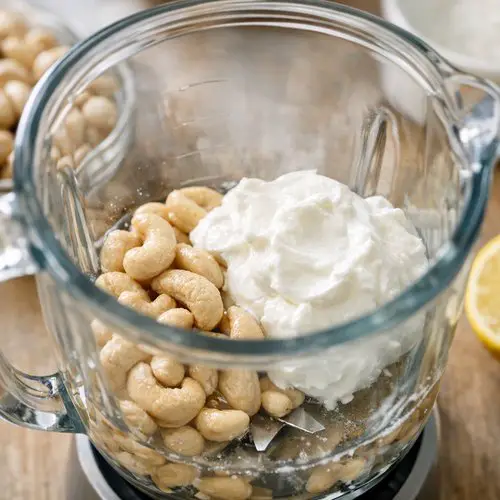
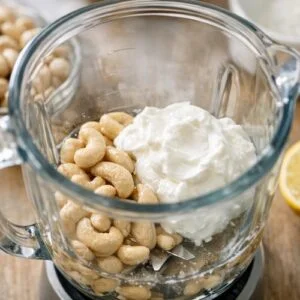
Begin by placing your soaked cashews (or raw ones if you’re short on time) into a blender with the Greek yogurt. Add just 2 tablespoons of water if needed. Blend until you have a completely smooth, pourable consistency—this should take about 60-90 seconds. There shouldn’t be any visible pieces.
Now, in a large bowl, combine your ginger-garlic paste, lemon juice, black pepper powder, garam masala, chaat masala, crushed fenugreek, and salt. Pour the cashew-yogurt blend into this bowl and whisk everything together until fully incorporated. The mixture should look creamy and aromatic, with visible spice flecks throughout.
Step 2: Marinate with Purpose
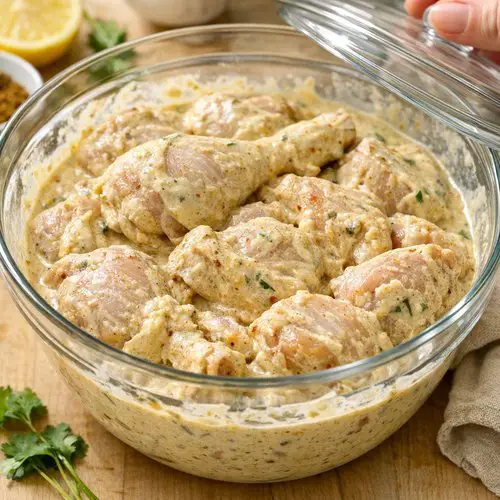
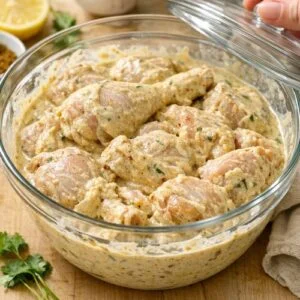
Add your chicken pieces to the marinade, ensuring every piece is thoroughly coated. This is where patience becomes your ingredient. Cover and refrigerate for a minimum of 2 hours, ideally overnight. The yogurt’s lactic acid is working to tenderize the chicken, while the spices penetrate into the meat. If you’re in a rush, even 45 minutes helps, but the full 2-hour window gives you noticeably better results.
Step 3: Prepare Your Aromatics
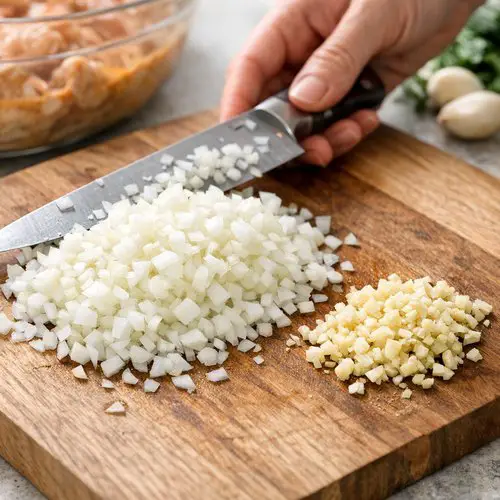
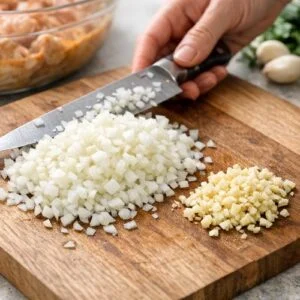
While the chicken marinates, finely chop your onion into small, even pieces—this helps them cook evenly and distribute throughout the sauce. Mince your green chilies, removing seeds if you prefer less heat. Chop your mint and cilantro fresh, just before cooking. Don’t do this too early; fresh herbs lose their brightness if cut and exposed to air for too long.
Step 4: Begin the Cooking Process
Heat your ghee in a large, heavy-bottomed pan or kadai over medium-high heat. Once it’s shimmering and fragrant (about 1-2 minutes), add your chopped onions and green chilies. Stir occasionally, cooking for approximately 2 to 3 minutes, until the onions are translucent and just beginning to soften. You’re not looking for deep caramelization here—just gentle cooking to release their sweet notes.
Step 5: Introduce the Chicken
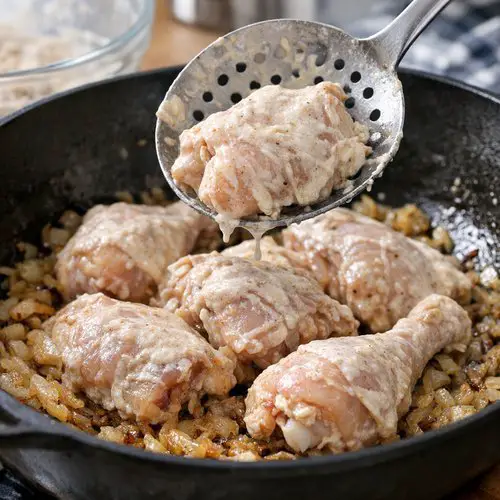
Using a slotted spoon, carefully transfer the chicken pieces from the marinade into the pan with the cooked onions, leaving most of the marinade behind in the bowl. This is important—you’ll use that remaining sauce later. Stir the chicken pieces to distribute them evenly, and let them cook undisturbed for about 2 minutes to develop some color.
Now, stir and cook for another 3 to 4 minutes, turning pieces occasionally. The chicken doesn’t need to be fully cooked at this point; you’re creating texture and flavor through contact with the hot pan. You’ll notice the pieces taking on a light golden tinge in spots.
Step 6: Add the Reserved Marinade and Simmer
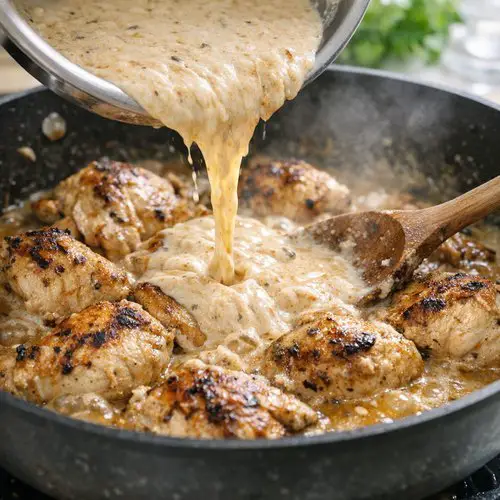
Pour the remaining marinade from your bowl into the pan with the chicken. Stir everything together, making sure nothing sticks to the bottom. Bring the mixture to a gentle boil—you’ll see it begin to bubble around the edges. Once boiling, reduce heat to medium-low, cover with a lid, and simmer for 10 minutes.
During this time, the chicken will finish cooking and absorb the spiced yogurt sauce. The sauce will thicken slightly as it simmers. Check once during cooking to stir gently, ensuring even cooking.
Step 7: Finish with Creaminess and Fresh Herbs
After 10 minutes of simmering, the chicken should be completely tender and cooked through (165°F internal temperature if you’re using a meat thermometer). Stir in your heavy cream or coconut milk, incorporating it fully. Taste the dish now—this is your moment to adjust seasoning. Add a pinch more salt if needed, or a light drizzle of lemon juice if it needs brightness.
If the dish tastes slightly flat or the spices feel muted, this is where that ½ teaspoon of sugar comes in—it’s not about sweetness, but about rounding out the edges and allowing the spices to sing. Add it, stir, and taste again.
Step 8: A Final Gentle Cook
Cover the pan again and let everything cook together on low heat for 2 more minutes. Fold in your freshly chopped mint and cilantro just before serving—this preserves their bright, fresh flavor that would otherwise fade if cooked too long.
Expert’s Nutritional Tip: Why This Dish Supports Heart Health
As a registered dietitian, I want you to understand the nutritional intelligence behind every ingredient here. The cashew paste provides magnesium and copper, minerals that support heart rhythm and blood vessel flexibility. The yogurt offers probiotics, which research increasingly links to improved cholesterol profiles. The ghee, despite its saturated fat content, provides butyric acid—a short-chain fatty acid that supports gut health and can improve insulin sensitivity when consumed in moderate amounts.
The combination of protein from chicken and healthy fats from cashews and ghee creates a meal that stabilizes blood sugar, particularly important if you’re managing diabetes or metabolic health. The spices—especially garam masala—contain compounds like cinnamon and clove that have been studied for their effects on glucose metabolism. This isn’t just delicious; it’s strategically nutritious.
Make-Ahead Guide: Meal Prep Like a Pro
One of my favorite things about this recipe is how beautifully it works with meal prep routines. Up to 48 hours ahead: Make the cashew-yogurt marinade and the spice mixture, storing them separately in airtight containers. Up to 24 hours ahead: Combine everything with the chicken and let it marinate. This means you can prep on Sunday and cook Wednesday with minimal effort.
The day of cooking, chop your onions, chilies, and fresh herbs up to 4 hours ahead, storing them in separate containers. When dinner approaches, the actual cooking takes only about 25 minutes from pan to table. After cooking, the finished dish keeps beautifully for 4 days in the refrigerator, and the flavors actually deepen overnight as the spices continue to infuse. Reheat gently on the stovetop over medium heat, stirring occasionally, adding a splash of water if needed.
Tips and Tricks from My Kitchen to Yours
- Don’t skip the fenugreek leaves – This single ingredient is what separates homemade Afghani chicken from good-but-forgettable chicken. Those dried leaves add an almost tobacco-like depth that can’t be replicated. Find them in the Indian spice aisle or online.
- Use thighs if you prefer extra moisture – While breasts are leaner, thighs stay more forgiving during cooking and add richness to the sauce. I often use a combination of both for the best of everything.
- Toast your whole spices before grinding – If you have access to whole garam masala ingredients (cinnamon stick, cardamom, cloves), toast them in a dry pan for 90 seconds before grinding. This elevates the entire dish.
- Don’t overcrowd the pan – If cooking for a larger crowd, work in batches rather than overcrowding. Each piece needs contact with the pan to develop texture, and overcrowding creates steam instead of browning.
- Fresh herbs are non-negotiable – Dried mint and cilantro can work in a pinch, but fresh herbs are what give this dish its signature brightness. They’re inexpensive and transform the final taste profile completely.
- The lemon juice isn’t just flavor – It’s also helping the marinade work its tenderizing magic. Don’t reduce it thinking you’re cutting calories; it’s supporting the chemistry of the dish.
Common Mistakes to Avoid
- Over-marinating beyond 24 hours – While longer marinating initially helps, beyond 24 hours the yogurt’s acidity begins breaking down the chicken texture too much, making it mushy rather than tender. Respect the 24-hour window.
- Cooking on too high heat – This is a dish that demands patience. High heat causes the yogurt-based sauce to separate or curdle, and the chicken becomes tough rather than tender. Medium to medium-low heat is your friend.
- Forgetting to adjust for salt – Yogurt and ghee are neutral on salt, so you need to taste carefully at the end. It’s the difference between a flat dish and one that makes you close your eyes in satisfaction. Start conservatively and build.
- Using low-fat yogurt – Full-fat yogurt creates that luxurious sauce that defines this dish. Low-fat versions make everything taste thin and one-dimensional. Worth the extra calories for the texture payoff.
Seasonal Variations
Spring and Summer: Add a handful of fresh peas or diced spring vegetables in the last 5 minutes of cooking. The brightness pairs beautifully with the cream sauce. In warmer months, serve this over cauliflower rice or zucchini noodles instead of bread for a lighter feel.
Fall and Winter: Add roasted root vegetables—diced carrots, parsnips, or even chunks of butternut squash—to the pan during the final simmer. They absorb the sauce beautifully and make the dish feel more substantial. A pinch of nutmeg complements the warming spices gorgeously.
Year-round flexibility: This recipe works beautifully with lamb instead of chicken if you want to explore other proteins. Increase the cooking time to 15-18 minutes to ensure tenderness. It’s also stunning with prawns if using seafood—reduce the final simmer to just 4-5 minutes to prevent overcooking.
Can I Store Afghani Chicken?
Absolutely. This dish actually improves with time as the flavors continue to meld. Store it in an airtight container in the refrigerator for up to 4 days. When reheating, do so gently over medium heat, stirring occasionally and adding a splash of water or broth if the sauce has thickened too much during storage.
Freezing works too—keep it frozen for up to 3 months in an airtight freezer container, leaving a bit of headspace for expansion. Thaw overnight in the refrigerator before reheating. The texture remains lovely, though I’ll be honest: fresh tastes best. But for busy weeks when a home-cooked meal saved you? That’s priceless.
Freezing the uncooked marinade works beautifully for future cooking. Store it in portions with raw chicken, thaw overnight, and you’re ready to cook with zero additional prep work.
Nutrition Information
Based on USDA data and standard nutrition databases, per serving (¼ of recipe, approximately 250 grams):
- Calories: 420
- Protein: 28g (excellent for satiety and muscle maintenance)
- Total Fat: 22g (mostly from cashews and ghee—heart-supporting fats)
- Saturated Fat: 8g
- Carbohydrates: 12g (mostly from vegetables and spices, not added sugars)
- Fiber: 1g
- Sugars: 3g (naturally occurring)
- Sodium: 380mg (adjustable based on your salt additions)
- Cholesterol: 95mg
What I love about these numbers is the protein-to-fat ratio. You’re getting substantial protein for stable blood sugar, paired with healthy fats that slow digestion and create satiety. This is not a light dish, but it’s a strategically nourishing one. Pair it with plenty of vegetables to add volume and fiber without excess calories.
What Can I Serve With Afghani Chicken?
This dish is incredibly versatile. While traditionally served with Indian breads, it works beautifully across various eating approaches. If you’re serving for a crowd, consider pairing it with warm roti or naan for bread lovers, then offering alternatives for those following different nutritional paths.
- Fluffy basmati rice or jasmine rice – The creamy sauce soaks into the rice beautifully. I usually serve ½ cup cooked rice per person to keep portions balanced.
- Warm roti or whole wheat naan – For authentic service, these are perfect. You can make fresh roti in a cast iron skillet while the chicken cooks, or grab quality prepared options from your grocery store.
- Cauliflower rice (for Paleo/Keto approaches) – This keeps the dish lighter while maintaining that satisfying, complete-meal feeling. The sauce is rich enough to work beautifully over cauliflower.
- A bright cucumber and tomato salad – The acidity and freshness cut through the richness of the creamy chicken, creating balance on your plate. A simple vinaigrette with lemon juice is perfect.
- Roasted vegetables – Roasted broccoli, green beans, or asparagus add nutrition and texture contrast. A drizzle of that cream sauce on the vegetables connects everything.
- Quinoa or millet pilaf – For a grain-based but lighter alternative to rice. The chicken’s sauce coats these grains beautifully.
If you’re building a complete Indian-inspired meal, pair this with fresh Aloo Chole Recipe for a vegetable component that adds heartiness without overshadowing the chicken. Or serve alongside the Broccoli Lasagna Recipe if you’re looking for creative vegetable integration into your meal.
Substitutes
- Almonds instead of cashews – Soak and blend the same way. Almonds give a slightly more subtle, less sweet flavor, but work beautifully. Use the same quantity.
- Coconut milk instead of heavy cream – For a dairy-free version, full-fat coconut milk creates the same luxurious texture. Use ¼ cup as specified.
- Greek yogurt substitutes – Sour cream or crème fraîche work similarly, though they’re slightly tangier. Adjust the amount if using something more acidic.
- Ginger-garlic paste alternative – If you don’t have paste, mince 1 tablespoon fresh ginger very finely and 1 teaspoon fresh garlic. The texture is slightly different but results are nearly identical.
- Fresh herbs swap – While mint and cilantro are traditional, parsley works in a pinch, though you’ll lose some of the signature flavor profile.
- Turkey or lamb – Both work beautifully here. Lamb actually pairs gorgeously with these warm spices and will require about 5 extra minutes of cooking time.
- Avocado oil or coconut oil – If you don’t have ghee, either of these works for cooking, though ghee’s flavor contributes meaningfully to the dish’s character.
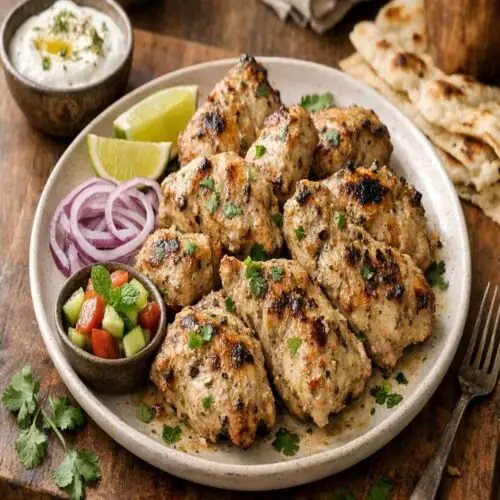
Afghani Chicken Recipe

Ingredients
For the Marinade and Base
- 1 tablespoon fresh lemon juice brightens all the flavors
- 1 teaspoon black pepper powder freshly ground is superior
- 1 tablespoon fresh ginger-garlic paste or 1½ teaspoons minced fresh ginger plus 1 teaspoon minced garlic
- 15 raw cashews unsalted, soaked in warm water for 15 minutes if you have time
- ¼ cup plain Greek yogurt full-fat works best for creaminess
- ¾ pound boneless, skinless chicken breasts or thighs cut into bite-sized pieces, about 1½ inches
For Warmth and Depth
- ½ teaspoon fine sea salt adjust at the end
- 1 teaspoon garam masala powder the backbone of this dish
- 2 teaspoon chaat masala powder adds that restaurant-quality tang
- 1 teaspoon dried fenugreek leaves, crushed between your palms this is the secret ingredient many home cooks skip
For Creaminess and Finishing
- ¼ cup heavy cream or full-fat coconut milk adds luxurious mouthfeel
- 4 tablespoon grass-fed ghee or avocado oil if you prefer
- 3 tablespoon fresh cilantro leaves finely chopped, for brightness
- ½ teaspoon organic cane sugar or coconut sugar balances heat and acidity, optional
- 1 large yellow onion finely chopped into small, even pieces
- 3 tablespoon fresh mint leaves finely chopped, torn just before using
- 2 green chilies finely minced, seeds removed if you prefer less heat
Instructions
Step 1: Create the Creamy Marinade Foundation
- Begin by placing your soaked cashews (or raw ones if you're short on time) into a blender with the Greek yogurt. Add just 2 tablespoons of water if needed. Blend until you have a completely smooth, pourable consistency—this should take about 60-90 seconds. There shouldn't be any visible pieces. Now, in a large bowl, combine your ginger-garlic paste, lemon juice, black pepper powder, garam masala, chaat masala, crushed fenugreek, and salt. Pour the cashew-yogurt blend into this bowl and whisk everything together until fully incorporated. The mixture should look creamy and aromatic, with visible spice flecks throughout.
Step 2: Marinate with Purpose
- Add your chicken pieces to the marinade, ensuring every piece is thoroughly coated. This is where patience becomes your ingredient. Cover and refrigerate for a minimum of 2 hours, ideally overnight. The yogurt's lactic acid is working to tenderize the chicken, while the spices penetrate into the meat. If you're in a rush, even 45 minutes helps, but the full 2-hour window gives you noticeably better results.
Step 3: Prepare Your Aromatics
- While the chicken marinates, finely chop your onion into small, even pieces—this helps them cook evenly and distribute throughout the sauce. Mince your green chilies, removing seeds if you prefer less heat. Chop your mint and cilantro fresh, just before cooking. Don't do this too early; fresh herbs lose their brightness if cut and exposed to air for too long.
Step 4: Begin the Cooking Process
- Heat your ghee in a large, heavy-bottomed pan or kadai over medium-high heat. Once it's shimmering and fragrant (about 1-2 minutes), add your chopped onions and green chilies. Stir occasionally, cooking for approximately 2 to 3 minutes, until the onions are translucent and just beginning to soften. You're not looking for deep caramelization here—just gentle cooking to release their sweet notes.
Step 5: Introduce the Chicken
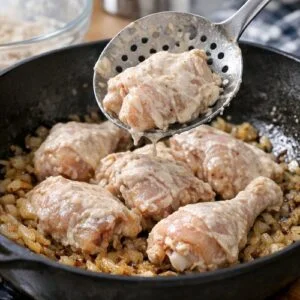
- Using a slotted spoon, carefully transfer the chicken pieces from the marinade into the pan with the cooked onions, leaving most of the marinade behind in the bowl. This is important—you'll use that remaining sauce later. Stir the chicken pieces to distribute them evenly, and let them cook undisturbed for about 2 minutes to develop some color. Now, stir and cook for another 3 to 4 minutes, turning pieces occasionally. The chicken doesn't need to be fully cooked at this point; you're creating texture and flavor through contact with the hot pan. You'll notice the pieces taking on a light golden tinge in spots.
Step 6: Add the Reserved Marinade and Simmer
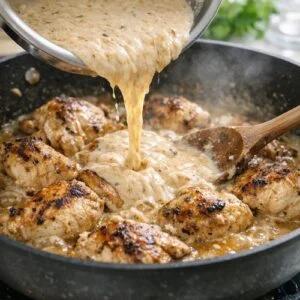
- Pour the remaining marinade from your bowl into the pan with the chicken. Stir everything together, making sure nothing sticks to the bottom. Bring the mixture to a gentle boil—you'll see it begin to bubble around the edges. Once boiling, reduce heat to medium-low, cover with a lid, and simmer for 10 minutes. During this time, the chicken will finish cooking and absorb the spiced yogurt sauce. The sauce will thicken slightly as it simmers. Check once during cooking to stir gently, ensuring even cooking.
Step 7: Finish with Creaminess and Fresh Herbs
- After 10 minutes of simmering, the chicken should be completely tender and cooked through (165°F internal temperature if you're using a meat thermometer). Stir in your heavy cream or coconut milk, incorporating it fully. Taste the dish now—this is your moment to adjust seasoning. Add a pinch more salt if needed, or a light drizzle of lemon juice if it needs brightness. If the dish tastes slightly flat or the spices feel muted, this is where that ½ teaspoon of sugar comes in—it's not about sweetness, but about rounding out the edges and allowing the spices to sing. Add it, stir, and taste again.
Step 8: A Final Gentle Cook
- Cover the pan again and let everything cook together on low heat for 2 more minutes. Fold in your freshly chopped mint and cilantro just before serving—this preserves their bright, fresh flavor that would otherwise fade if cooked too long.
Notes
Nutrition
FAQs
Can I Make This Dish Dairy-Free?
Absolutely. Use dairy-free yogurt (cashew-based or coconut-based works better than almond) in the marinade, and substitute the heavy cream with full-fat coconut milk. Ensure your ghee is pure ghee (clarified butter) or use avocado oil instead. Everything else remains the same. The flavor will be slightly different but delicious—the coconut milk adds its own subtle richness.
How Do I Know When the Chicken Is Fully Cooked?
The safest method is a meat thermometer. Chicken is safely cooked at an internal temperature of 165°F (74°C). If you don’t have a thermometer, cut into the thickest piece—it should have no pink inside and juices should run clear. With the marinating and steaming method, the chicken is usually done after the full 10-minute simmer.
Can I Use Boneless Chicken Thighs Instead of Breast?
Yes, and honestly? Thighs are my preference. They’re more forgiving during cooking, stay moister, and add richness to the sauce. Thigh meat has more connective tissue and fat, which breaks down beautifully during the marinade and cook time. If using thighs, the cooking time remains the same—they’re tender enough at that duration.
What If My Sauce Is Too Thin or Too Thick?
Too thin? Simmer uncovered for 2-3 minutes to reduce and thicken. Too thick? Add water or broth a tablespoon at a time until you reach your preferred consistency. Keep in mind that the sauce will thicken slightly more as it cools, so if it’s perfect while warm, it might be slightly thicker the next day. Plan accordingly.
Can I Use a Slow Cooker or Instant Pot?
Yes! For slow cooker: Combine the marinade with chicken in the slow cooker, cook on low for 6 hours. Add cream in the last 30 minutes. For Instant Pot: Use the sauté function to cook the onions and do the initial chicken sear, then pressure cook on high for 12 minutes with ½ cup marinade liquid. Quick release, add remaining marinade and cream, and sauté function for 2-3 minutes more. Both methods work, though the stovetop approach gives you more control over the final texture.
More Recipes You’ll Love
- this elegant roast – For when you want to explore other protein showstoppers with similar depth of flavor
- Ambur Biryani Recipe – Another aromatic, spice-forward dish that celebrates similar warming spices in rice form
- Aloo Chole Recipe – A perfect vegetable companion if you want to build a complete Indian-inspired meal around the Afghani chicken
There’s something deeply grounding about cooking dishes with history and purpose. This Afghani chicken isn’t just dinner—it’s a conversation between cultures, between my abuela’s intuitive kitchen and the science I’ve learned as a registered dietitian. It’s proof that food which nourishes our bodies can also nourish our souls, that simplicity and sophistication aren’t opposites.
I hope you’ll make this with the same love my abuela brought to her kitchen, adapting it for your family, your seasons, your tastes. Taste as you cook. Trust your instincts. And remember that the best meals are the ones made with presence and care, not perfection.
Happy Cooking with Taste Whisper—where every dish is a whisper of taste, health, and joy!

Venture into optimal health management by choosing to obtain your [URL=https://617area.com/tadalafil/]tadalafil information[/URL] through credible digital outlets, ensuring a seamless experience in boosting your well-being.
The demand to purchase effective treatment has never been greater. Discover your solution with retin a without a prescription , offering a wide range for your health requirements.
Before making a decision, discover https://fleurandarbor.com/amoxicillin/ and compare prices to guarantee you secure the most favorable deal for your heart health medication.
Obtain comprehensive insights and secure the [URL=https://617area.com/tadalafil/]tadalafil[/URL] for your antiviral medication needs by browsing our web page today.